

Re-interning at Tinkertanker
Editor’s note: Mireille is currently finishing her final year at Raffles Institution. She interned with us for 8 weeks at the end of 2020, and managed to such a lot done in that time! She made things, fixed things, automated things, coded things— and even helped us sell things, when walk-in customers showed up. We loved her energy and drive, and we’re happy for her to share her story here.
Introduction
Last December (2019), I had completed a 2-week work experience at Tinkertanker, having heard about the company from my former Robotics coach. Looking back, it felt longer than a mere fortnight; I was able to do many things that I loved and meet so many amazing people.
For that reason, after my Y5 Promotional Examinations, as I was wondering whether to take up another internship, the company came to mind almost immediately. As such, I contacted Tinkertanker once again, and immediately upon the end of school classes, embarked on my 1.5-month-long internship.
What I Did Last Year
My first work experience was primarily focused on assisting with the creation of the Twelve Days of Christmas tutorials — by writing the tutorial drafts, helping out with the photoshoots, or both.
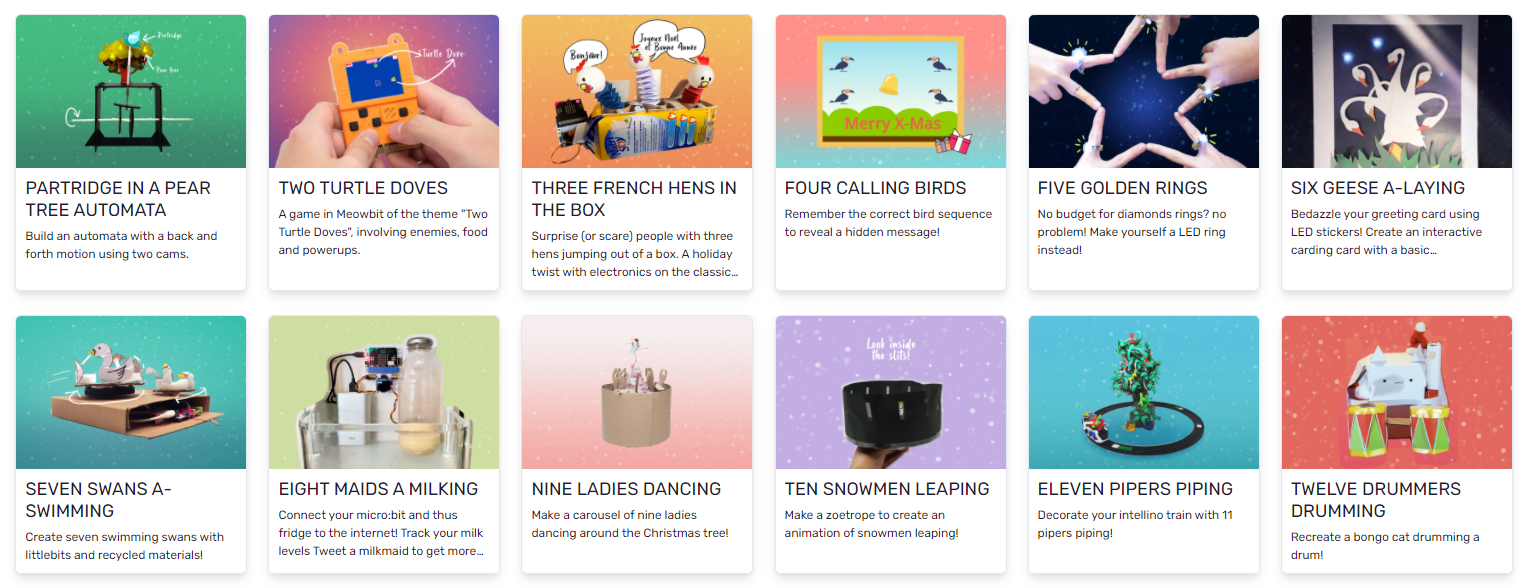
The Twelve Days of Christmas on lets.gethacking.com! (Fun fact: The hands in “Five Golden Rings” belong to five interns from December 2019 — including me!)
I also got to try out a laser cutter for the first time, and it was probably from there that I caught the laser-cutting bug.
All in all, my work experience last year was fulfilling — or rather, as fulfilling one can be considering the short duration.
Why I Returned
Regarding the idea of an internship, simply put, I just wanted to spend my school holidays being productive and doing stuff that I would not get the chance to do normally. It was definitely better than the alternative of staying at home all day every day (I had enough of that, thanks to Circuit Breaker).
But why Tinkertanker? There are a couple of reasons:
- My attachment last year felt too short and I wanted to do more.
- I kind of missed the office environment and the people there.
- Interning at Tinkertanker would have allowed me to pursue my interests in design and technology, and the company specialising in education is an added bonus for me.
And so, I contacted the company…
What has Changed
In 2020, pretty much everyone had to adjust to a new normal, and the company was no exception.
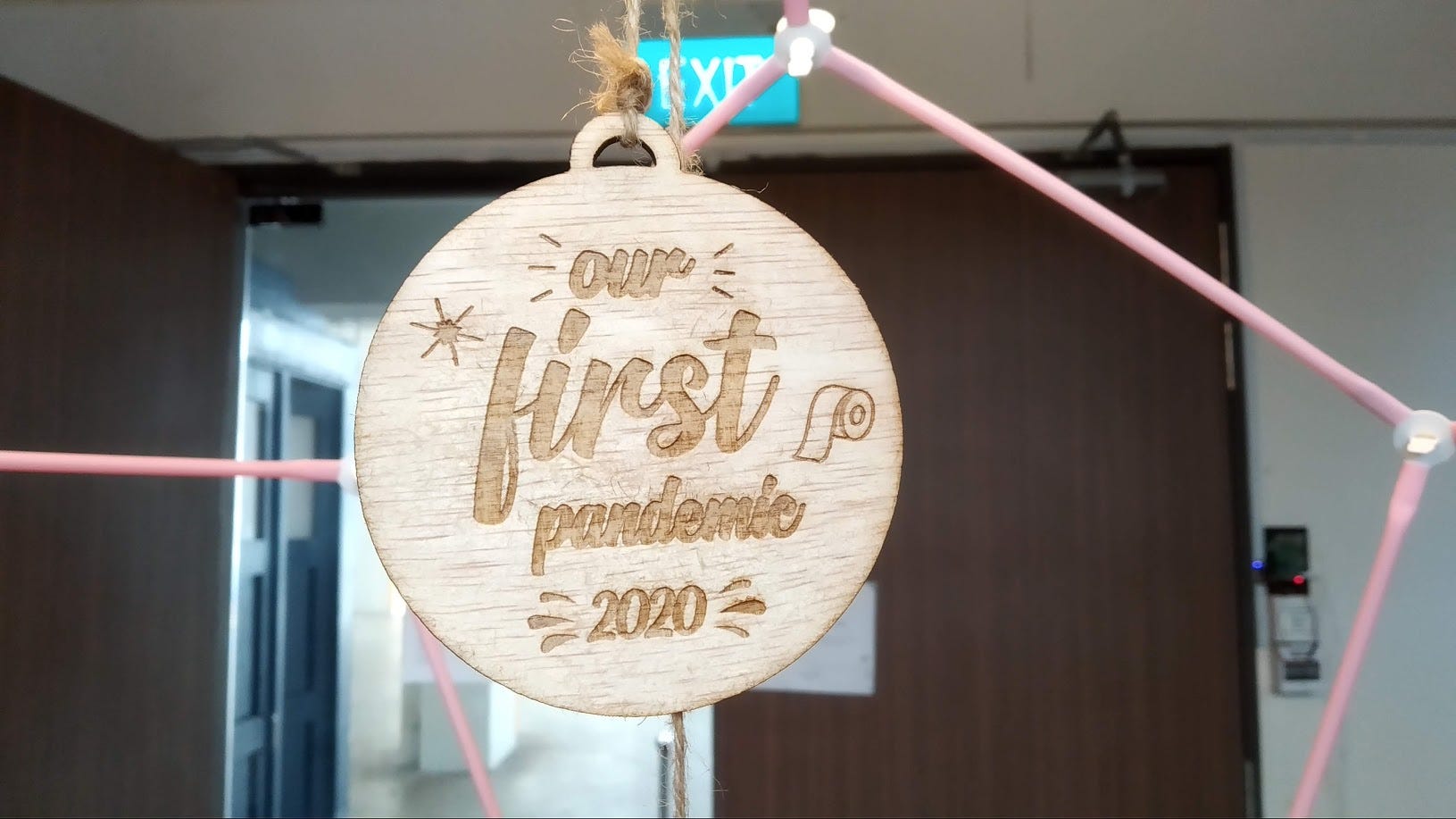
A bauble I designed in Inkscape and cut out with the laser cutter, now hanging at the office entrance.
The office was significantly less crowded, with a large number of us — permanent staff and interns alike — working from home due to safe-distancing measures. Luckily, the space had not lost any of its warmth; the environment remained as welcoming as it did, and it brought along a sense of nostalgia.
Needless to say, the people changed as well. The interns I worked with last year had all since left the company (understandably), and there had been some changes amongst the permanent staff as well. Nevertheless, everyone I met was friendly, and this time I was determined to not have any regrets in terms of not having had the chance to interact with people.
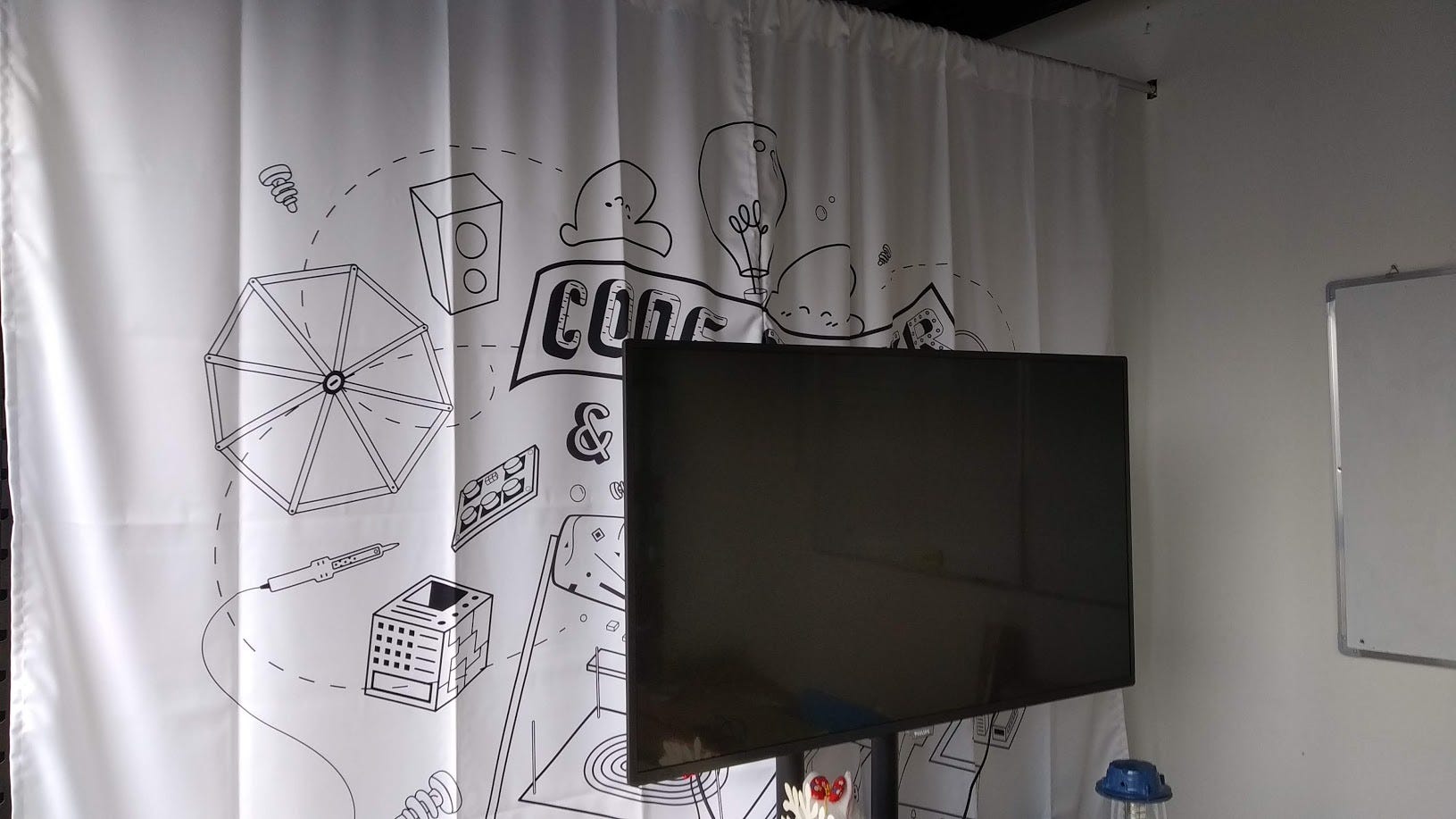
Oh, the curtains in the conference room are new as well! (They were brought from the old office in Tai Seng, but they had not been hung up yet last year)
However, my personal favourite change is *drumroll*… the new 3D printer!
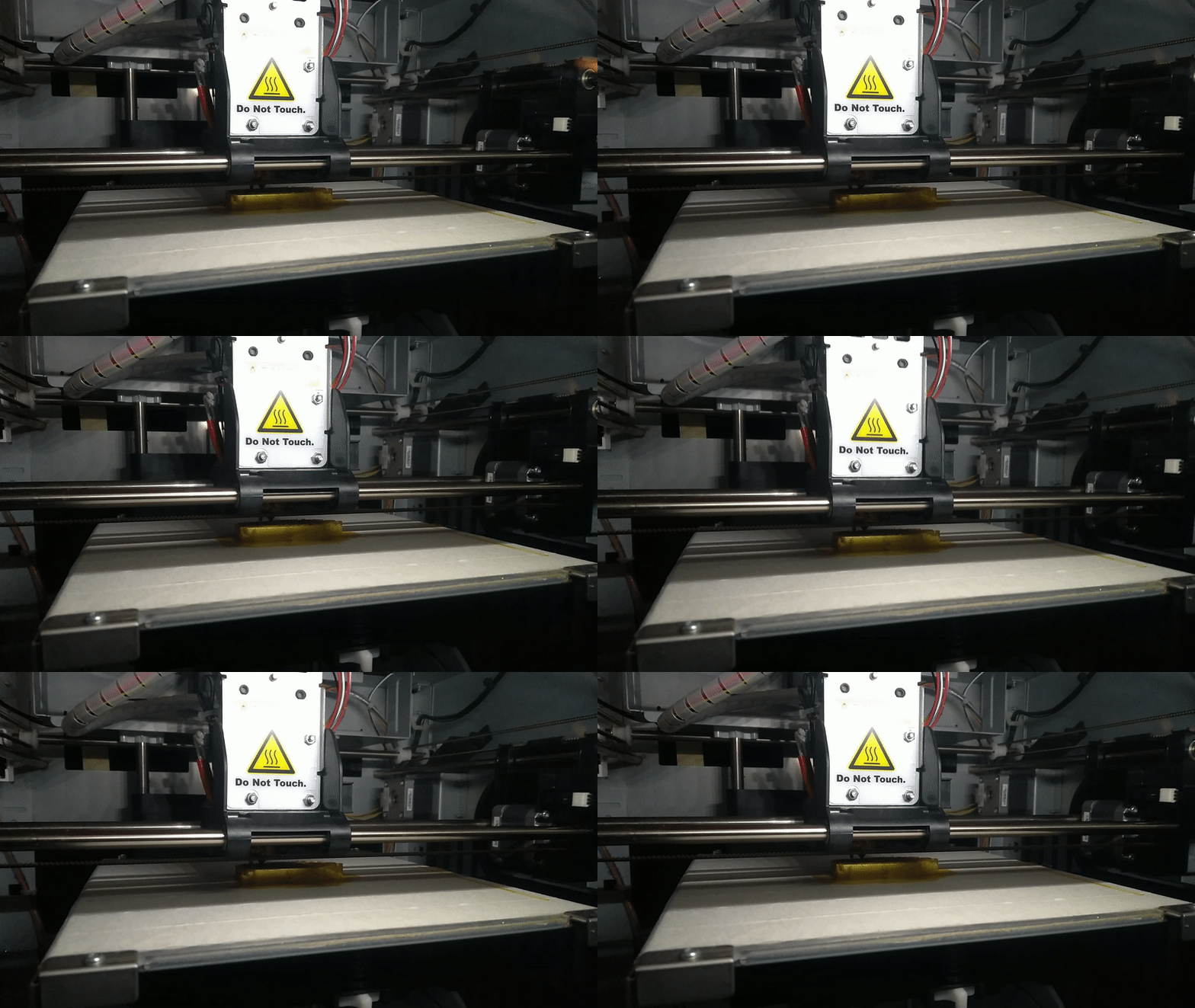
Look at it go!
What I Have Done This Year
To summarise, this year’s internship comprised of assisting for events and R&D. Of course, there was a lot of fabrication (i.e. laser-cutting, 3D printing, etc.) as well! Without further ado, here is a summary of the past one-and-a-half months.
DigiGirlz 2020 and Power Automate
I joined the company on the week of DigiGirlz, a two-day programme by Microsoft consisting of training on Power Apps as well as a hackathon.
The event had a stunning 500+ participants and a lot of admin work to handle, so I spent the first few days of my internship doing “Spreadsheet Fu”, which is like Kung Fu, but with well… spreadsheets. For the event itself, I was a facilitator as well as a “camera man” for the live event. During the event itself, I got introduced to Power Apps, which one can think of as app development with Excel functions.
I think the true value behind the event (for me at least), however, came after it. In the spirit of the event, I managed to create a certificate generator that will automatically create and mail certificates using Power Automate.
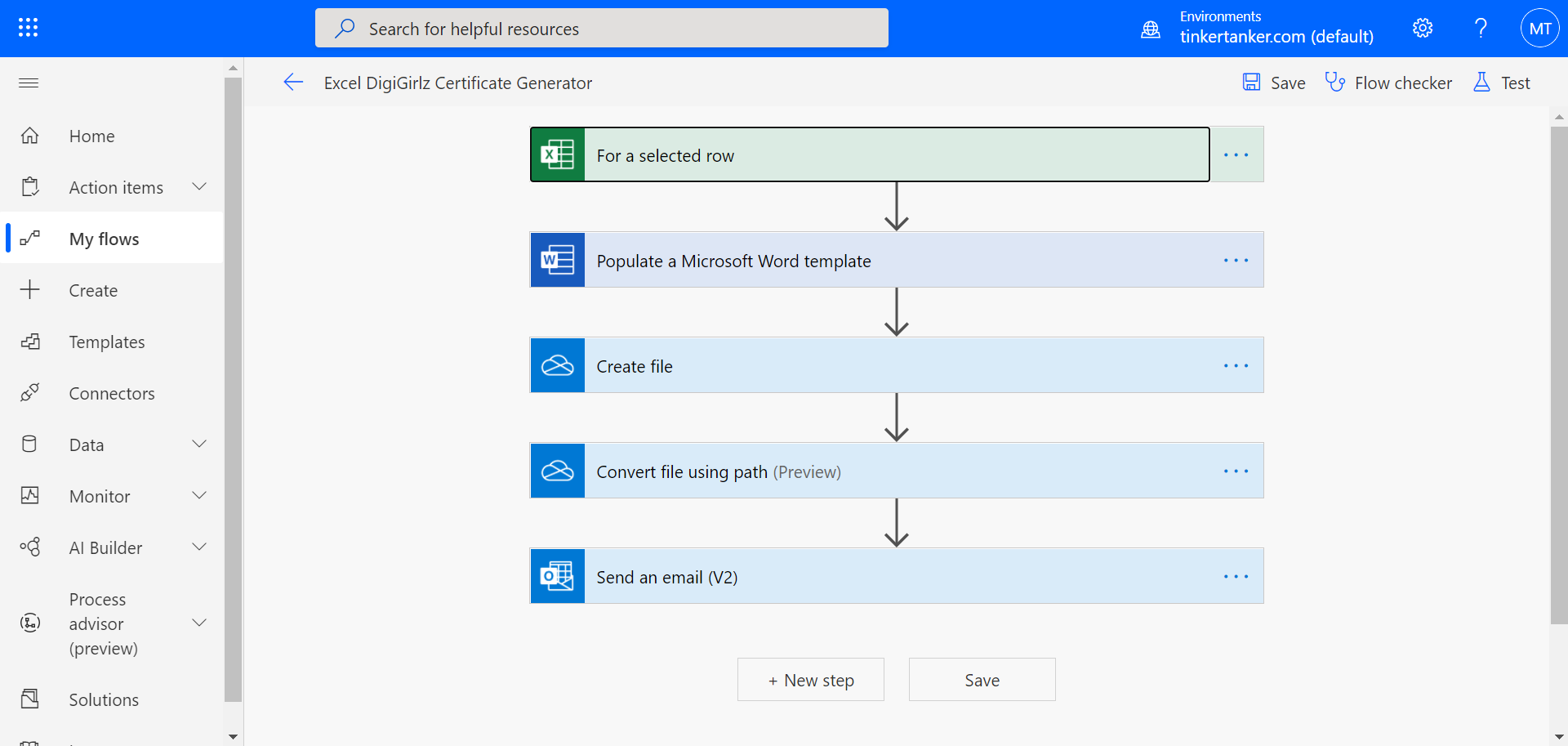
The certificate generator Flow
I had initially planned to make one that would take input from Power Apps itself (it would certainly have been more thematic) and integrate the app into Teams, though there were issues with permissions so we had to take in input from an Excel instead.
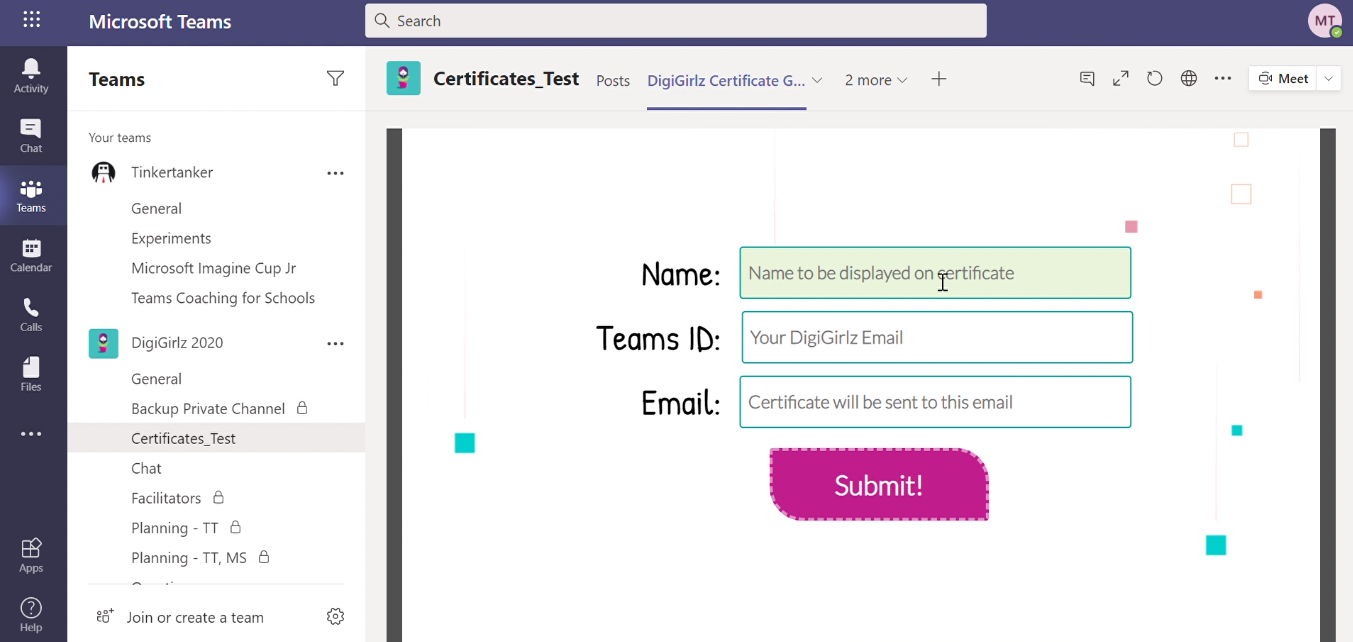
My app on the Teams channel; unfortunately it does not work outside of my account, otherwise it works great!
Thanks to this experience, I can safely say that I have found a pretty good no-code automation system. Experimenting with Flow has shown me its potential, if only the permission issues can be resolved. Another takeaway: For any virtual event, always check whether you are muted.
Tinkerfest
Soon after that was Tinkertanker’s inaugural Christmas event — Tinkerfest! We opened up our doors for the public to come in and check out our special Christmas displays which included many things from toys to Raspberry Pis. Naturally, having the public come in meant tons of decorations, which in my dictionary, usually equates to the perfect opportunity to utilise the laser cutter:
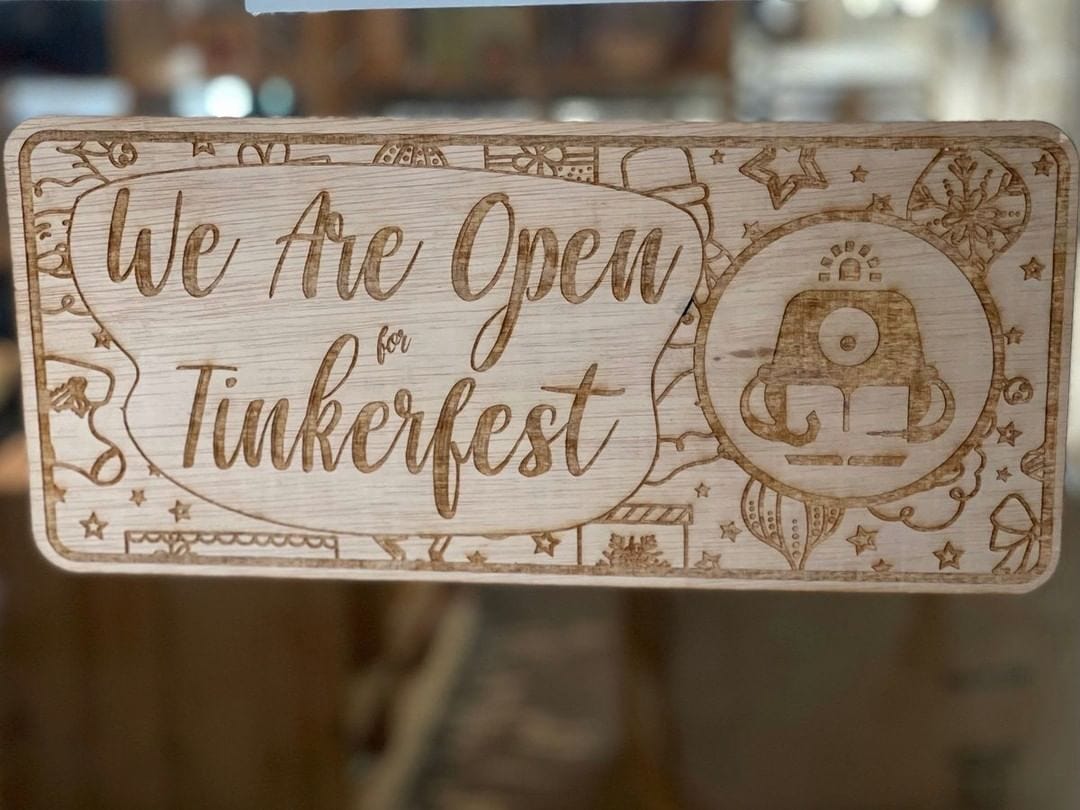
The sign that we pasted onto our entrance during the event
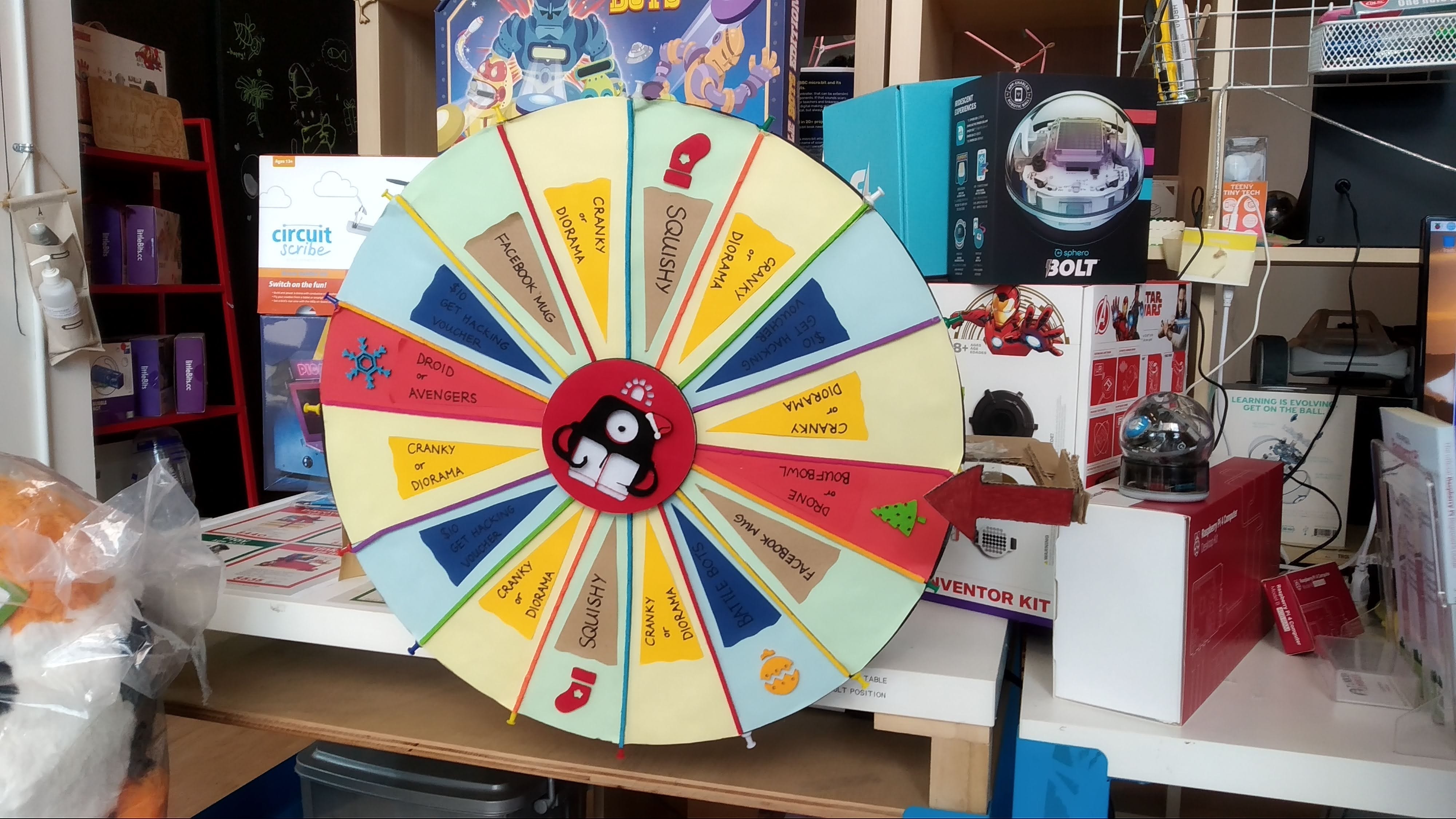
The decorations and centrepiece for the lucky spin wheel (the mechanism and base was made by another intern)
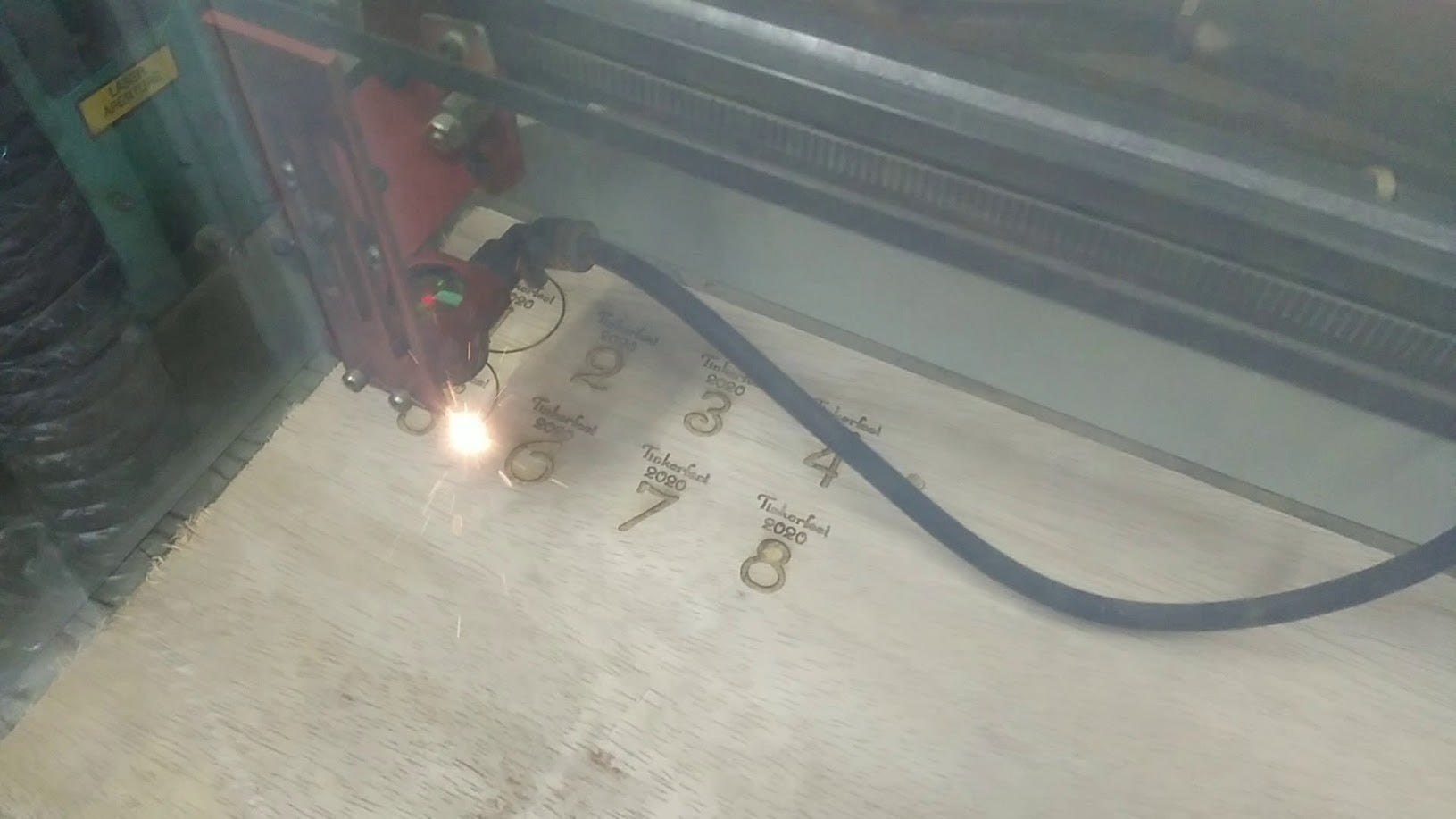
Tokens for the lucky spin
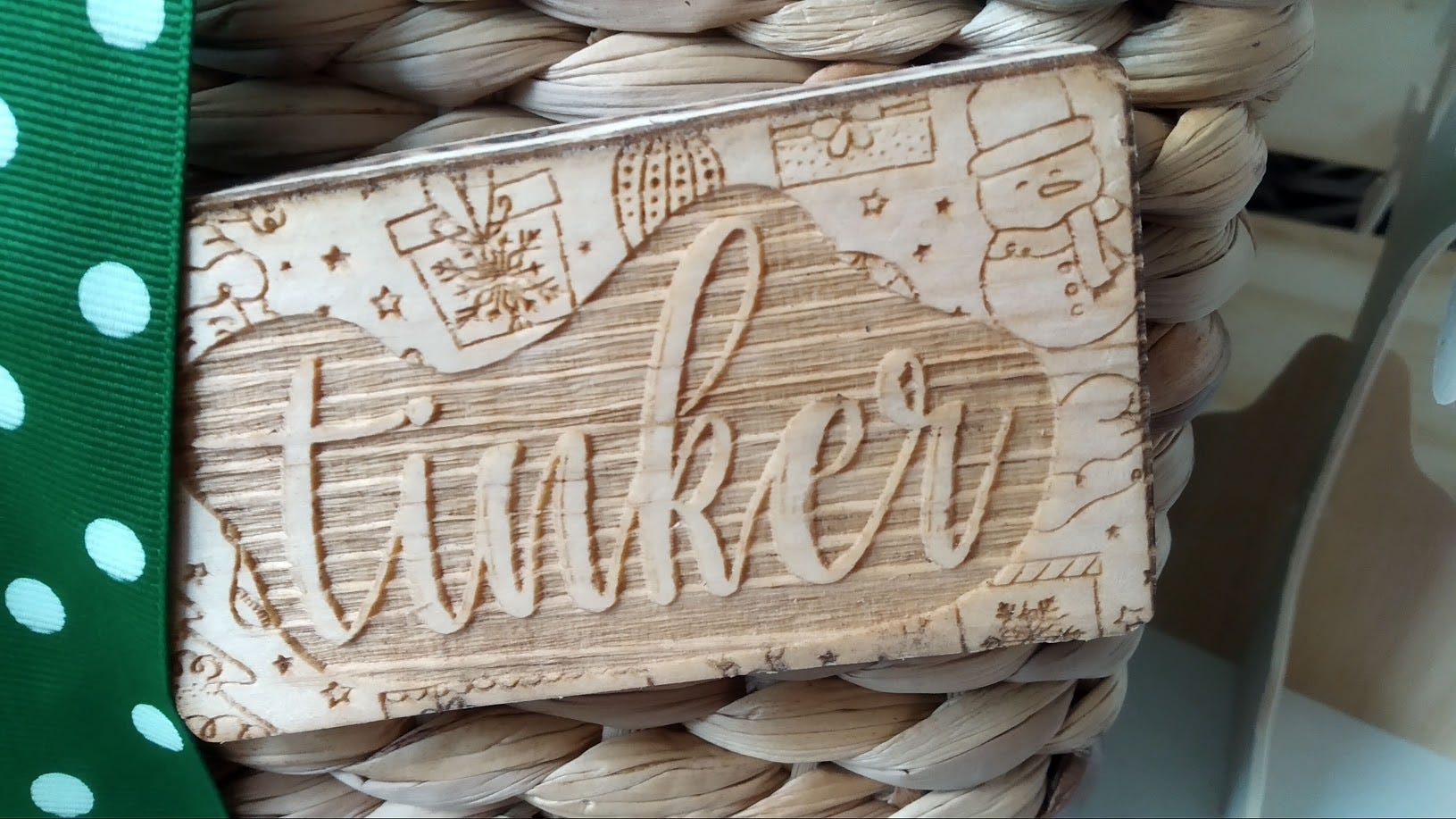
Custom tags for our bundles’ premium packaging
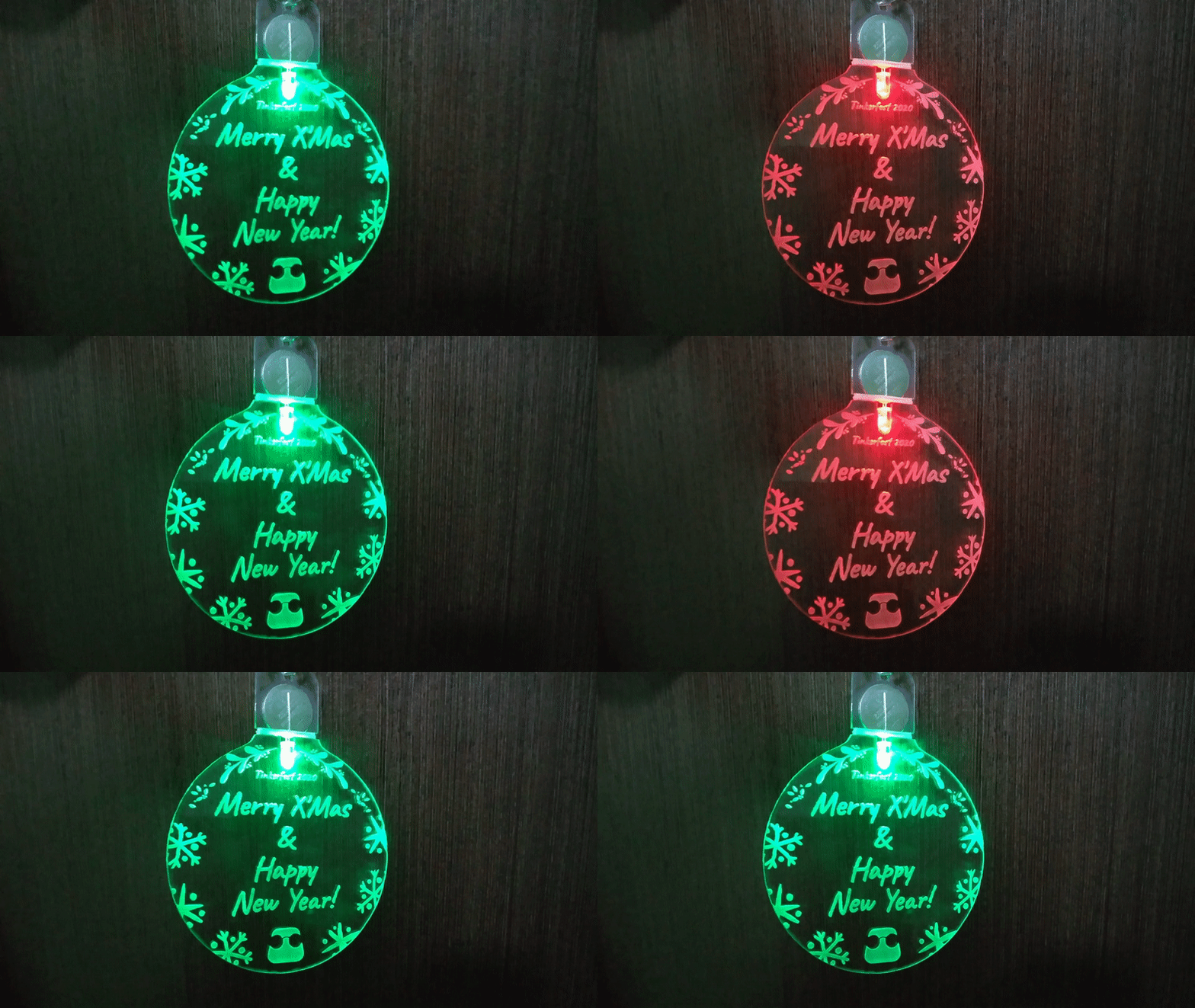
Acrylic baubles (including customised ones for sign-ups!)
Not included in the photos (unfortunately) are the stencils for powdered snow, but I think I have proven my point that part of my internship involved me being in laser cutter haven.
However, a new thing I got to try out during Tinkerfest was sales. Often, when customers arrive, us interns will be the ones to attempt to market our products. Though marketing and sales is probably not going to be something I do in the long run, it was a refreshing experience. My greatest achievement in relation to that is probably promoting the MERGE AR/VR Cube until it went out of stock!
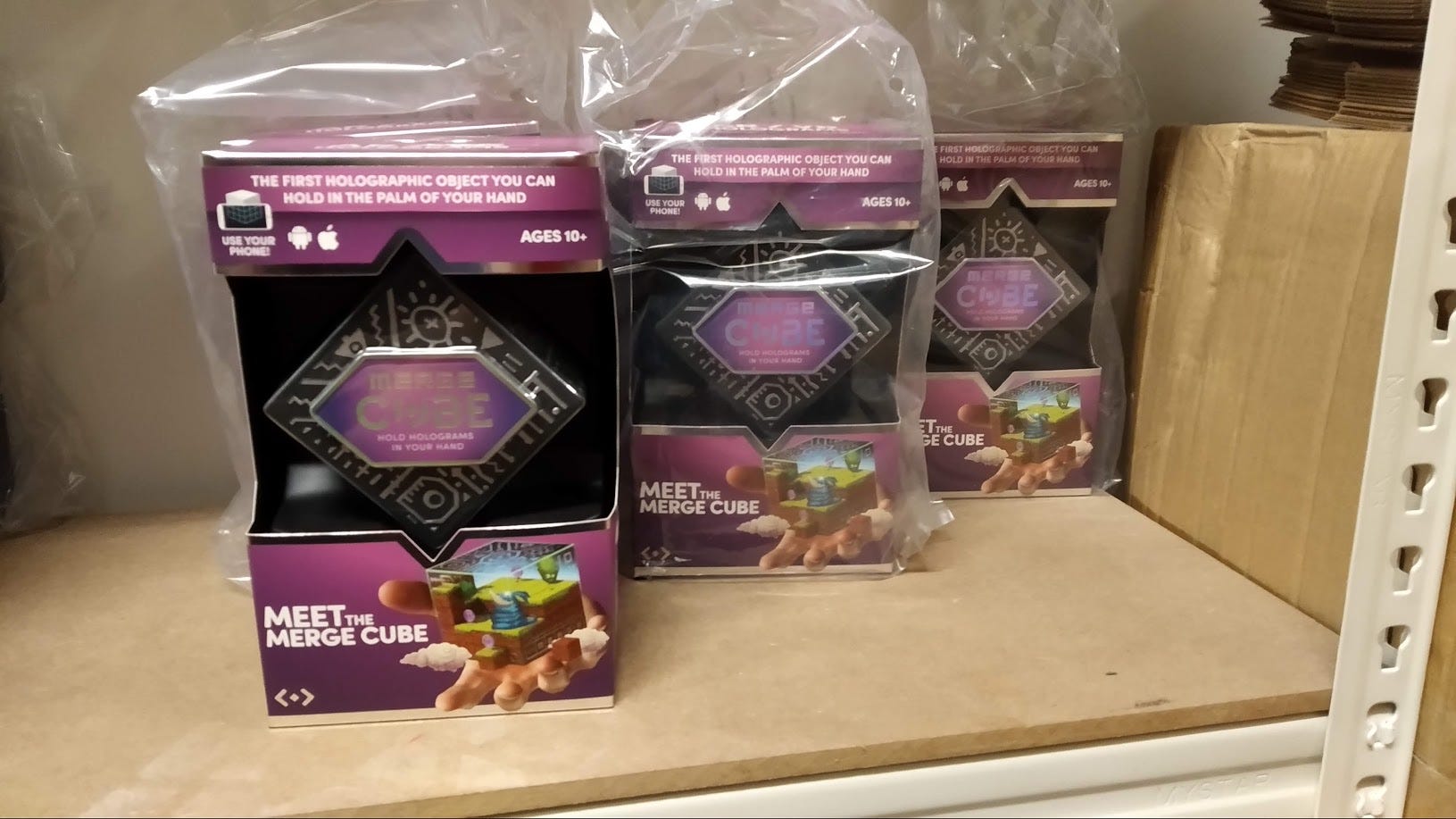
My fellow interns were laughing but understanding when I told them that I had to take a picture of the MERGE cubes to write about Tinkerfest.
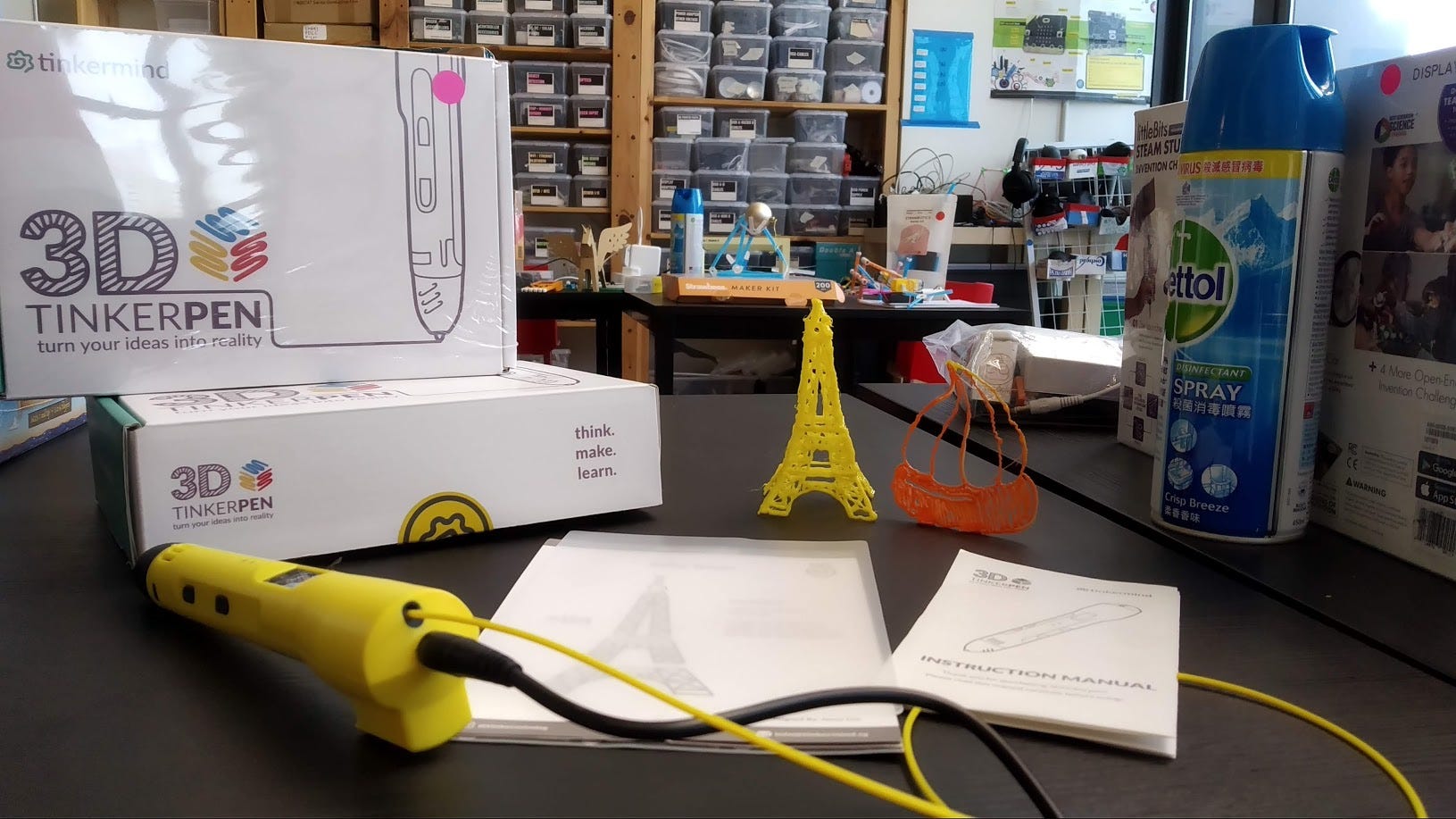
For demonstration purposes, another intern and I managed to make the Eiffel Tower with the 3D pen!
Research & Development (R&D)
A good bulk of my internship was spent researching and developing what could potentially be new curriculum! I will just briefly describe each one, lest this post get too long.
micro:bit v2 X AI
With the new micro:bit v2.0 comes a microphone and amazing new capabilities! A while back, Edge Impulse uploaded an article on combining the micro:bit with Machine Learning so that it becomes voice-activated. All this time, I saw the micro:bit as a very basic microcontroller capable of simple input and output and nothing more. Consequently, the potential of this project excited me, so when given the option, I decided to take it on!
The model was trained using Edge Impulse, which I find works really well; it is no-code so it can be easily used to teach those with no prior experience when it comes to programming or machine learning!
Edge Impulse enables developers to create the next generation of intelligent device solutions with embedded machine learning.
I made a couple of extensions stemming from the original project, including making a servo turn, and having more than one keyword to make a LED control system.
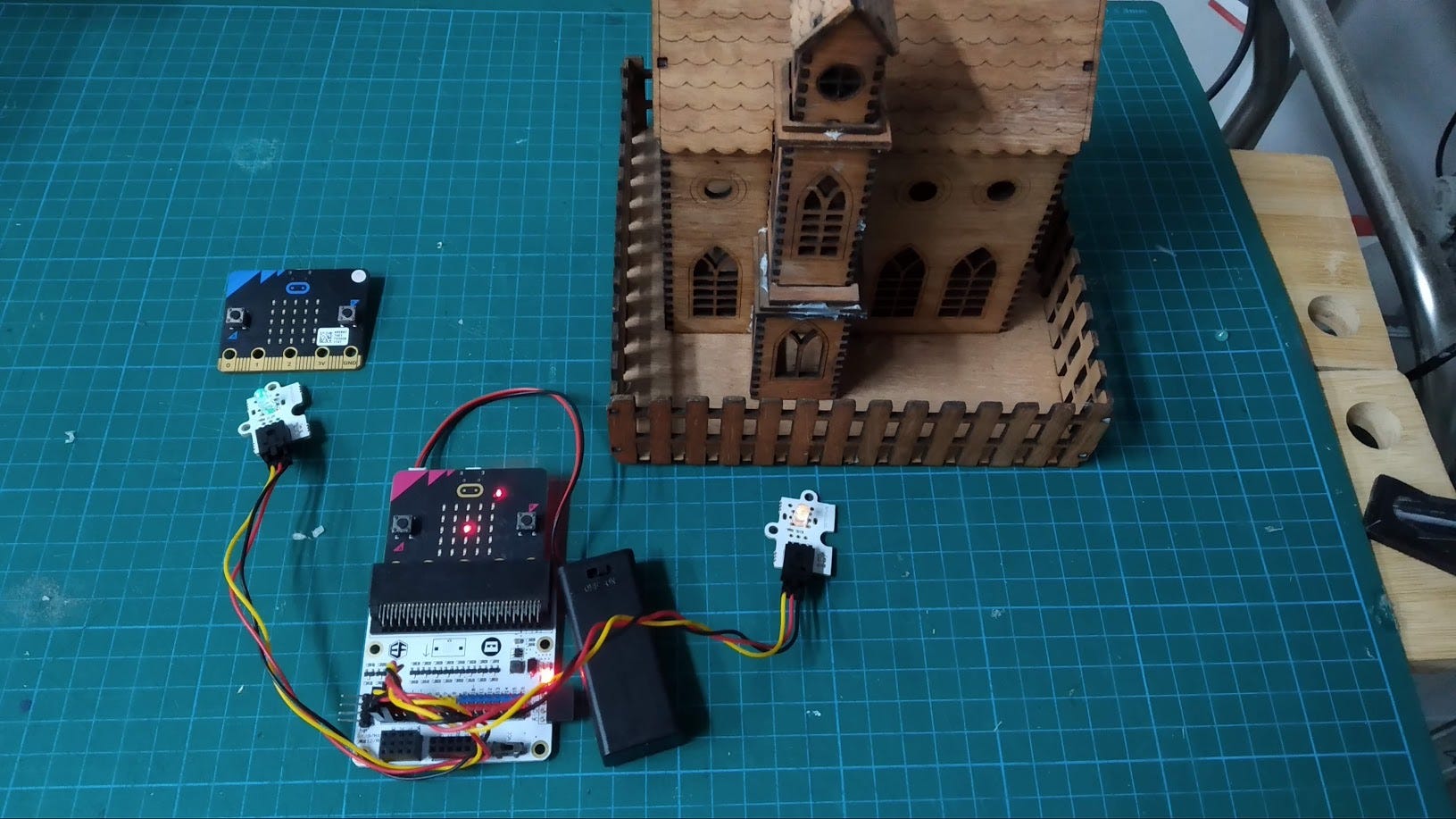
My tiny museum with keywords “micro:bit” and “house” to toggle the respective LEDs!
From this project, I had also learnt how to use FFmpeg to reduce the sample frequency of downloaded audio so that I did not have to record my voice too many times to get data for training the ML model.
micro:bit X Alexa
Since I already had a micro:bit on hand from the previous R&D project, I decided to give this a try. Unfortunately, it proved to be more difficult than I first thought, mainly because there were too many libraries that could not be downloaded. Lesson learnt: Linux is great for libraries.
Fortunately, a workaround I found was to use Voiceflow.
Voiceflow allows individuals & businesses to easily design, build, and launch voice apps without coding.
Using Voiceflow, I managed to make a custom Alexa skill integrated with Google Sheets. This means that the device can poll the Google Sheets and communicate with the micro:bit separately, making for an indirect connection between Alexa and the micro:bit!
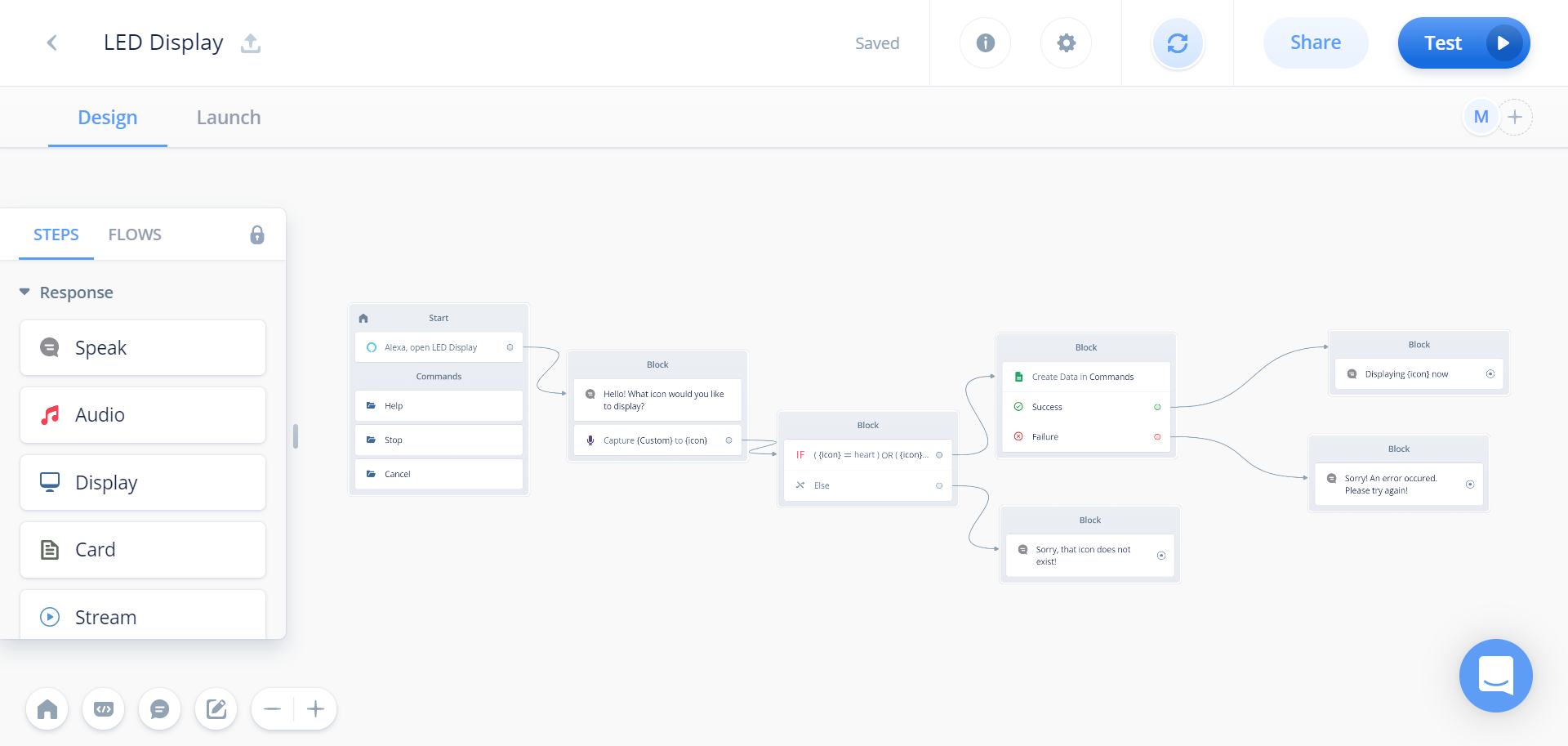
The full Voiceflow that adds user input to a Google Sheets if the input is a valid micro:bit icon
AR with A-Frame
As a fan of practically all things related to 3D modelling, it should be understandable why researching Augmented Reality (AR) would be so enticing.
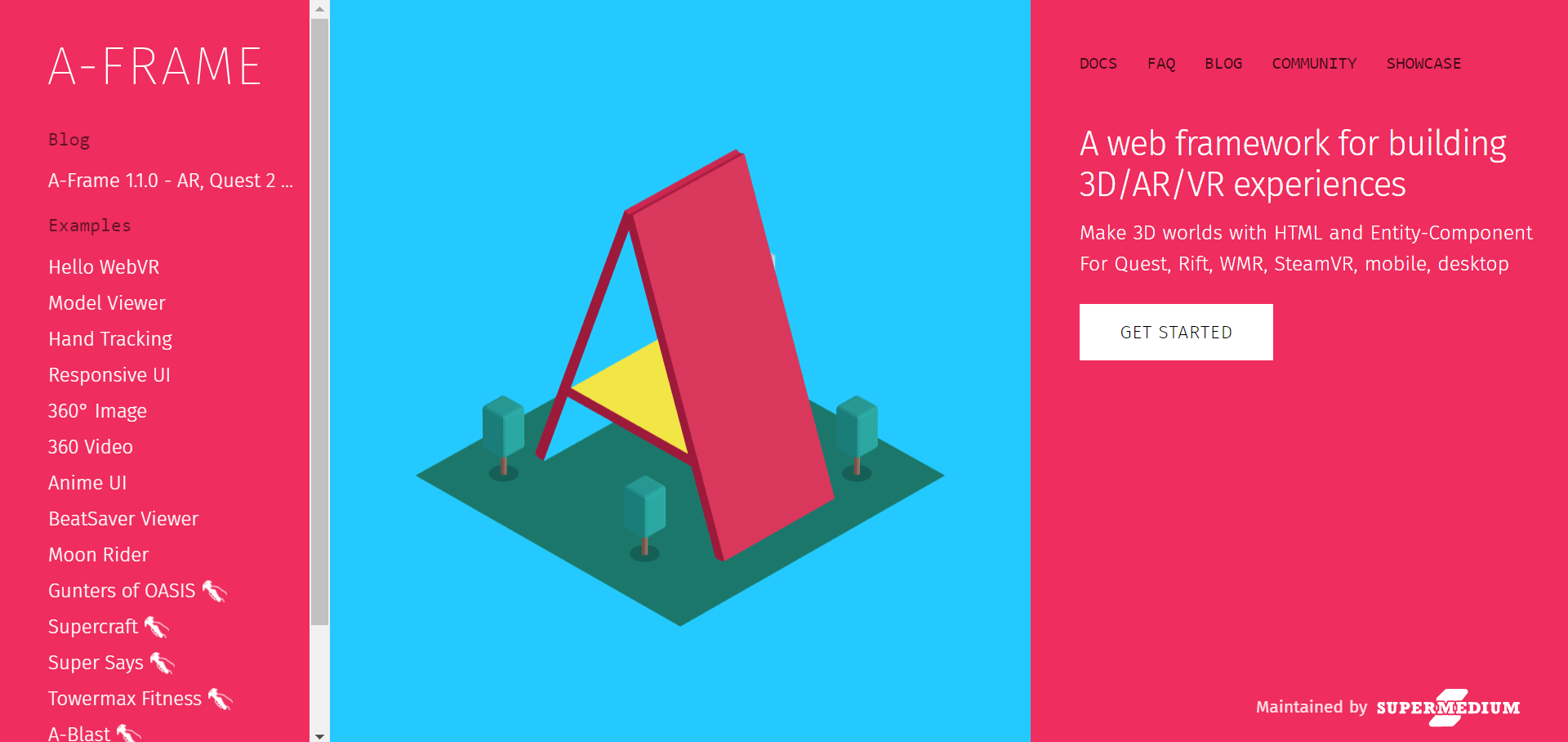
A-Frame is a web framework for building virtual reality (VR) experiences.
By following a couple of tutorials and reading the documentation, I was able to pick up how to get a simple website with AR working.
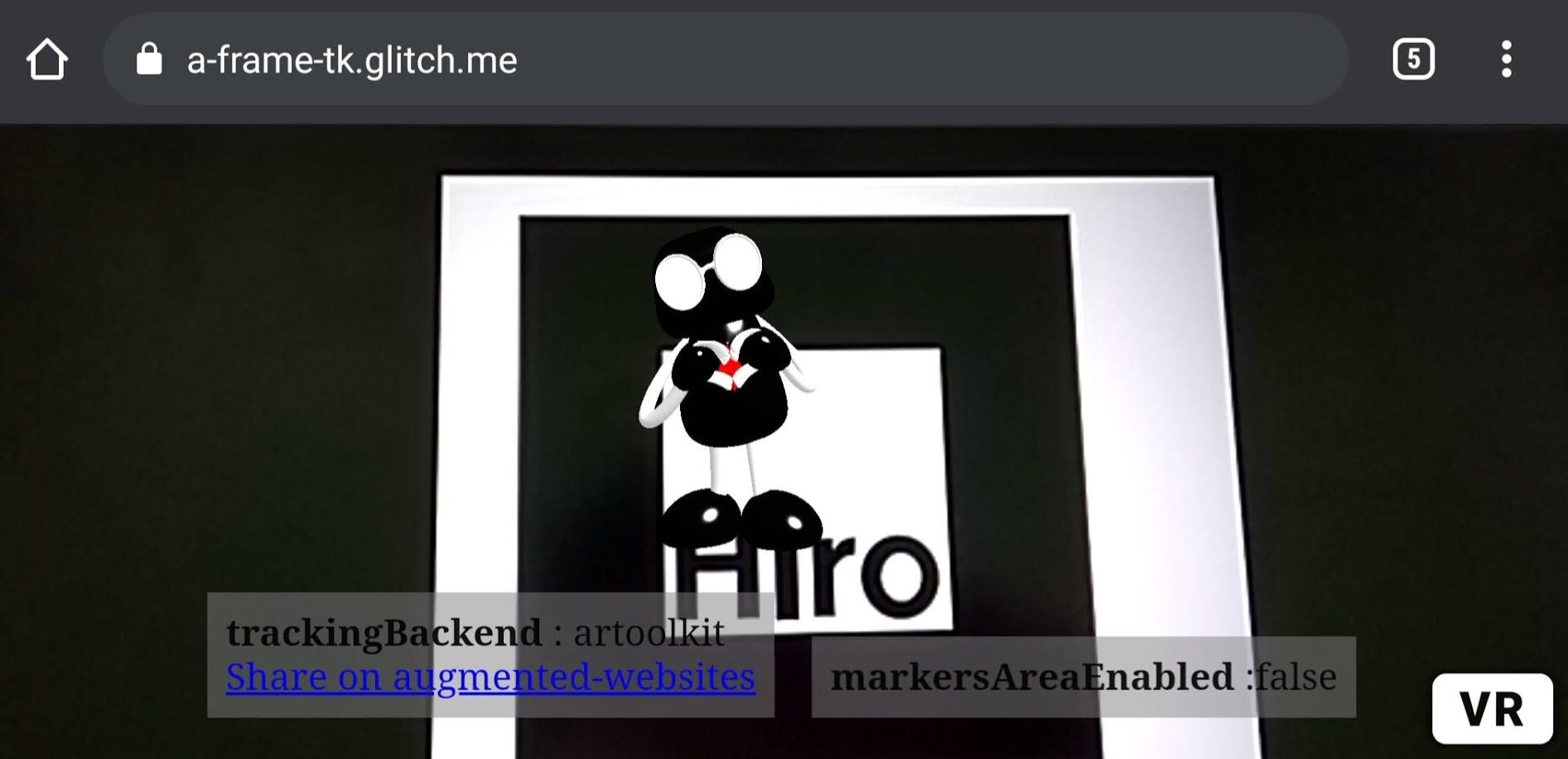
A screenshot from my phone with the AR website on
You can try the site as well at https://a-frame-tk.glitch.me, just flash the “Hiro” marker to the camera and TKRobot (our adorable company mascot) will appear!

3D Printing!
The final big thing that happened during my internship would be getting to set up and be the first user of the office’s da Vinci Pro 1.0 3D printer!
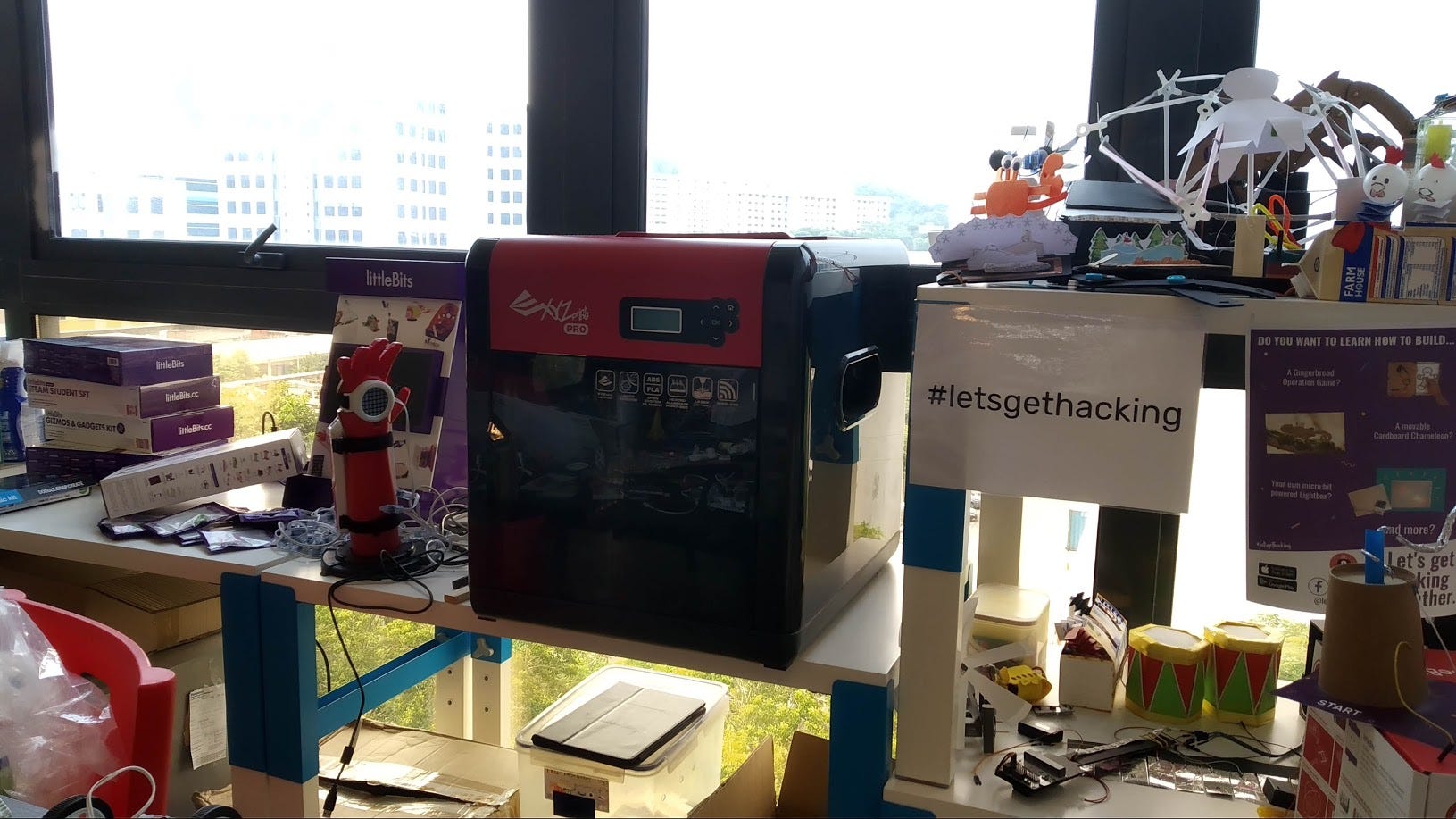
It’s beautiful.
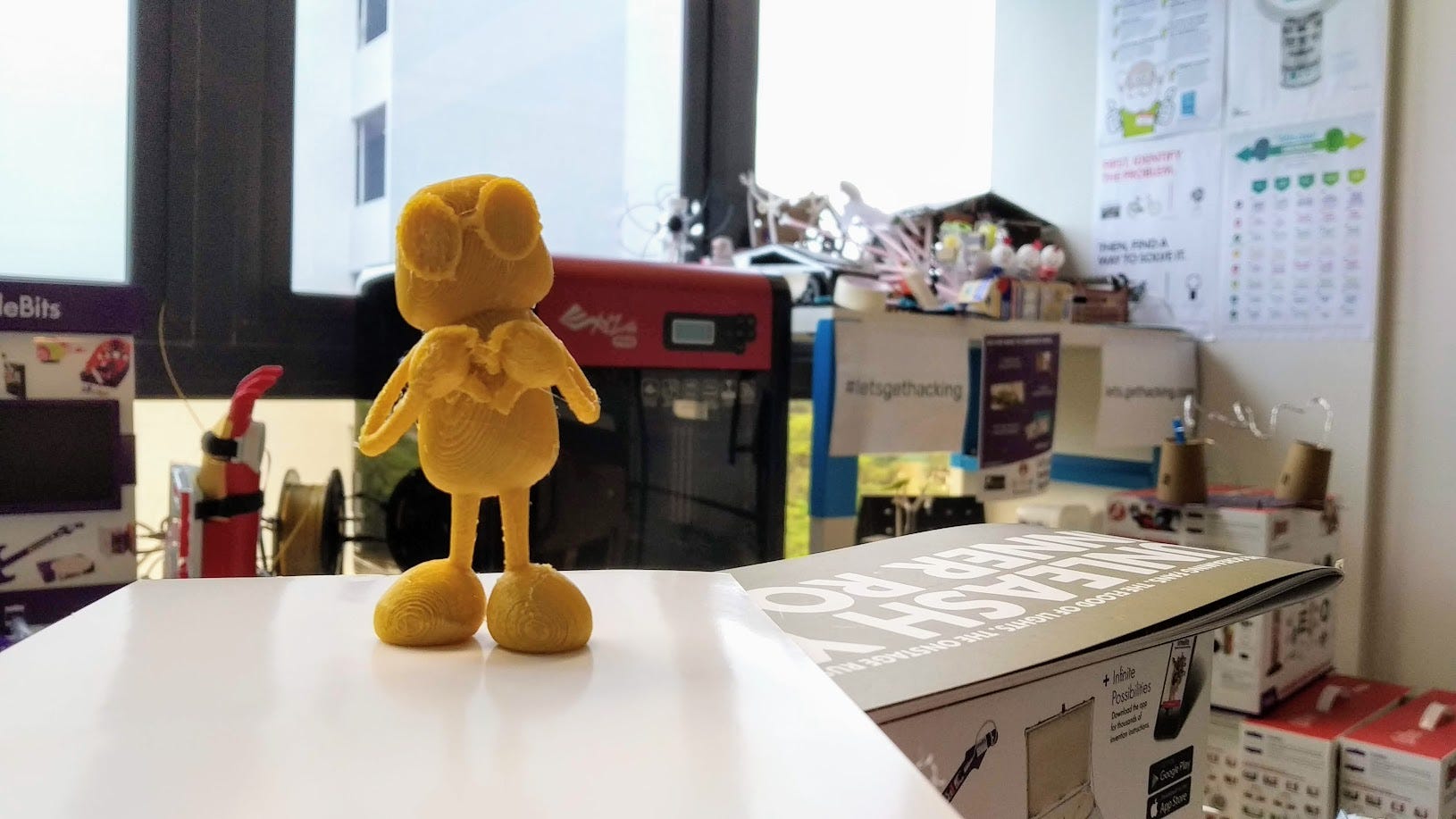
I will make a separate post going into further detail about the 3D printer and the results of all my experimenting on it, but I am pretty happy about the results of one 3DBenchy (a very standard 3D printing torture test) and one TKRobot!
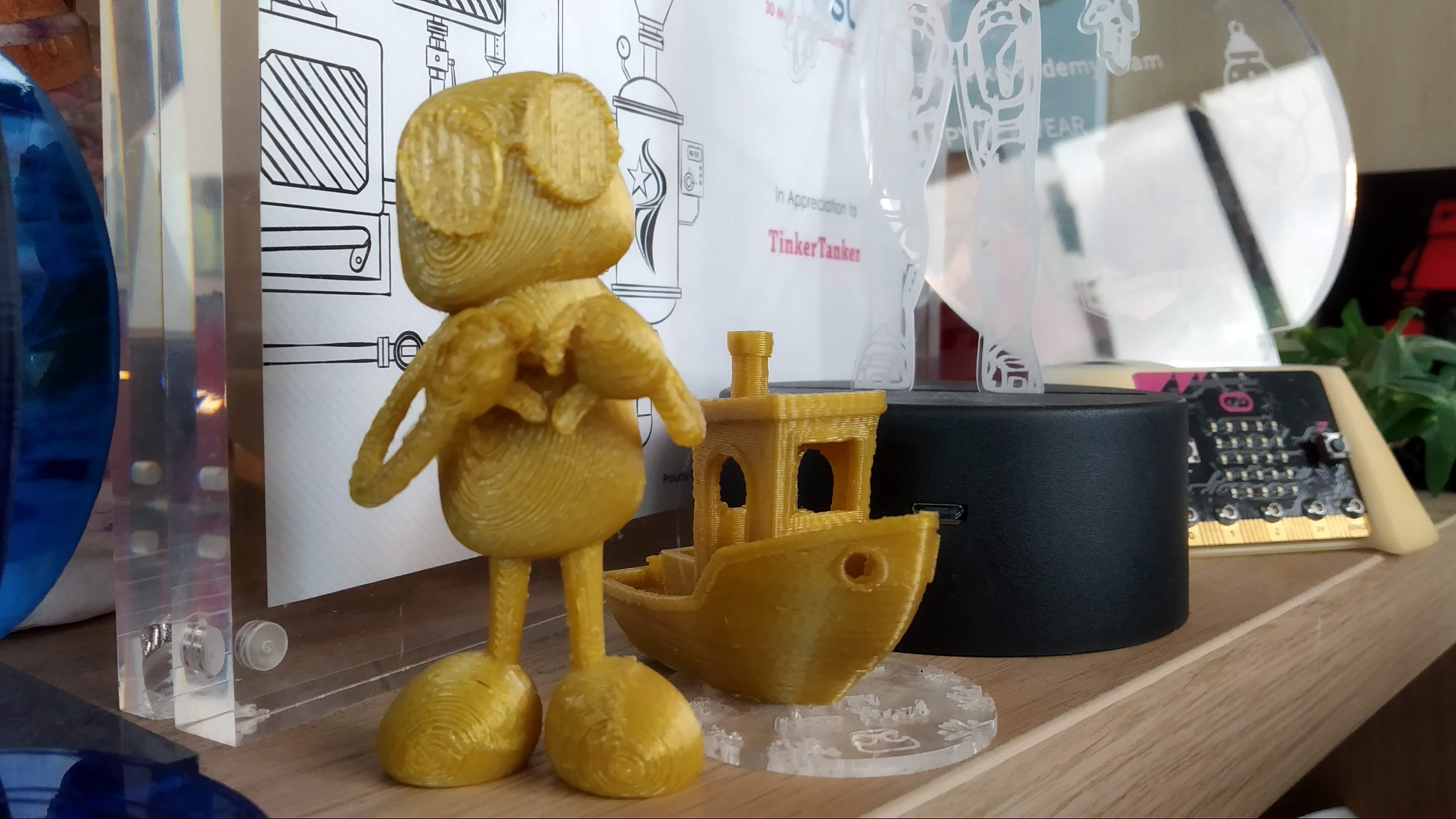
The golden 3DBenchy and TKRobot, together on top of the company KALLAX shelves. (Fun fact: The acrylic piece underneath the 3DBenchy is a draft of the Tinkerfest bauble)
3D printing has become a rather big thing over the past few years and can generally be useful with creating attachments and accessories for electronics, so I certainly hope that the set-up + the guide I had written for the 3D printer come in handy.
Conclusion
Whilst my second time at the company was longer than my first, it was honestly short compared to those of all the other interns. That said, my one regret is not having had enough time to dive into deeper coding content (since a lot of my R&D and projects ended up being no-code).
Nevertheless, this internship felt a lot more productive than last year’s. The above post just scratches the surface of all the designing and debugging that I did. I got to try so many different projects ranging from fabrication to machine learning! I believe this is one of the things that makes an internship at Tinkertanker so special — no matter what your niche is, as long as you love tinkering, you will be able to do something that you enjoy. It may not be something you are familiar with (like me and machine learning), but that just allows you to step out of your comfort zone in an environment that is full of support and optimised for learning. You will likely grow to love the things you do, and only further boost your passion. Every day in Tinkertanker is a chance to learn something new.
A heart from TKRobot
Thank you to everyone at Tinkertanker — permanent staff and interns alike, you have made this school holiday an unforgettable one!